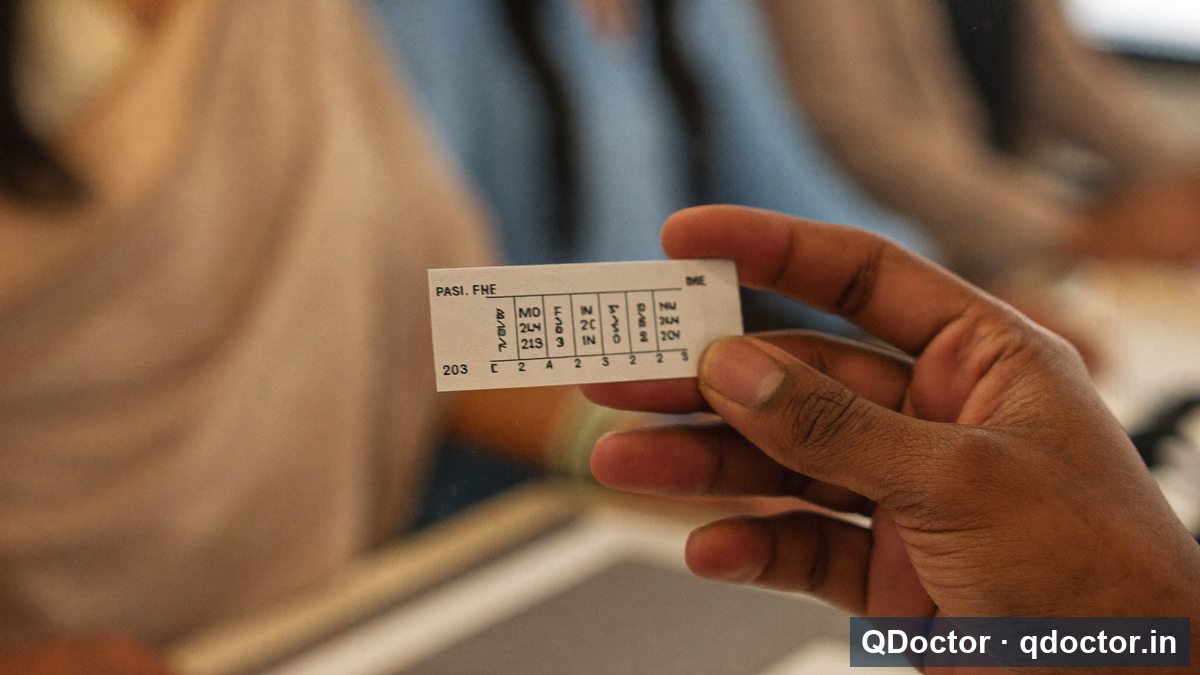
Any busy doctor’s chamber runs on one of two systems: a token system (you take a numbered slip and are called in order) or a walk-in queue (first come, first served, no numbers). Both are trying to answer the same question — “whose turn is it?” — and both leave patients waiting. Here’s the honest comparison, and a third option that beats both.
The walk-in queue
How it works: you arrive, you note who came before you, you wait, you go in when it’s your turn.
- ✔ Simple, no setup.
- ✗ Disputes over “who was first”; late arrivals argue; you must physically stay the whole time or lose your place.
- ✗ No idea how long you’ll wait — you’re trapped on the bench.
The paper token system
How it works: the counter hands out numbered slips; the doctor calls numbers in order.
- ✔ Fair order, fewer fights.
- ✗ You still have to come early to get a token, then wait for it to be called — often for hours.
- ✗ A token tells you your number, not your wait. Are they on #8 or #38? You can’t tell without sitting there.
The third option: a live digital serial
A digital queue keeps the fairness of tokens but removes their biggest flaw — you no longer have to be present to hold your place or to know your wait.
- ✔ Reserve your serial from home — no early trip to grab a token.
- ✔ See “now serving” move live — you know exactly when to leave.
- ✔ Fair, transparent order everyone can see — no jumping, no “adjustment”.
- ✔ The doctor still sees you in person — nothing about the visit changes, only the waiting.
How QDoctor does it
QDoctor is exactly this: a live digital serial for the doctor-at-pharmacy visit. The pharmacy issues real serials on a screen, patients book from their phone and watch the queue move, and everyone — patient, pharmacy and doctor — sees the same live number. For a busy chamber, it’s the token system’s fairness without the token system’s wait. And it’s free to run, free for patients.
Verdict: walk-in is chaotic, paper tokens are fair-but-still-a-wait, and a live digital serial gives you both fairness and freedom.